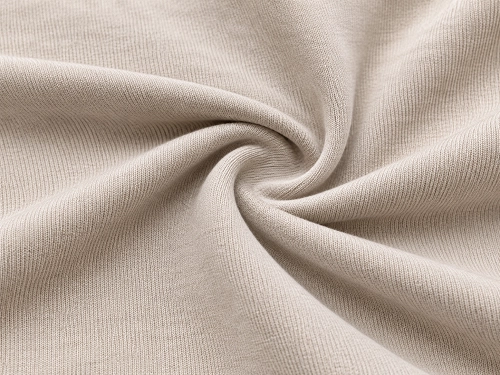

Cotton-Spandex Upholstery Fabric: Composition, Performance, Benefits, and Applications
Cotton-spandex upholstery fabric combines the natural comfort of cotton with the flexibility and stretch recovery of spandex. Designed for applications where softness, adaptability, and a comfortable seating experience are important, this fabric offers an alternative to conventional woven upholstery materials.
Unlike traditional upholstery fabrics that rely primarily on rigid yarn structures to maintain their shape, cotton-spandex blends introduce controlled elasticity into the fabric. This makes them suitable for furniture with curved surfaces, fitted upholstery designs, and applications that require a closer fit around cushions and seating components.
However, choosing cotton-spandex upholstery fabric involves more than evaluating its softness or stretch. Fiber composition, fabric construction, weight, dimensional stability, abrasion resistance, and finishing treatments all influence its suitability for different furniture applications.
What Is Cotton-Spandex Upholstery Fabric?
Cotton-spandex upholstery fabric is a textile made primarily from cotton fibers blended with a small proportion of spandex (also known as elastane). Cotton provides the fabric with its natural hand feel, breathability, and moisture absorption, while spandex contributes elasticity and helps the material recover after stretching.
The two fibers serve different but complementary functions:
Cotton: Provides softness, a natural surface feel, breathability, and moisture absorption.
Spandex: Adds stretch, flexibility, and elastic recovery, helping the fabric adapt to movement and different upholstery shapes.
The actual performance depends on the blend ratio and manufacturing process. For example, a fabric containing a higher cotton percentage may prioritize a natural textile feel, while a slightly higher spandex percentage may provide greater elasticity.
Cotton-spandex upholstery fabric can be produced in different constructions, including woven and knitted structures. These constructions affect the fabric's appearance, stretch direction, surface texture, and suitability for specific furniture designs.
Key Characteristics of Cotton-Spandex Upholstery Fabric
Understanding the technical properties of this fabric helps buyers determine whether it meets the requirements of their furniture products.
Softness and Comfort
Cotton is naturally soft and comfortable against the skin. When used in upholstery, it creates a pleasant surface suitable for sofas, lounge chairs, cushions, and other upholstered furniture.
The addition of spandex does not fundamentally change cotton's natural surface characteristics. Instead, it improves the fabric's ability to accommodate movement and maintain a close fit around upholstered components.
For furniture manufacturers, this combination can be particularly useful when designing seating products that prioritize everyday comfort.
Stretch and Elastic Recovery
Stretchability is one of the most important characteristics of cotton-spandex fabric.
Spandex fibers allow the material to extend when tension is applied and recover toward its original dimensions after the tension is released. This helps the fabric adapt to curved furniture structures, rounded cushions, and fitted upholstery designs.
However, stretch performance depends on several factors:
Spandex content: Influences the potential elasticity of the fabric.
Fabric construction: Determines whether the fabric stretches in one direction or multiple directions.
Yarn arrangement: Affects how the fabric responds to tension.
Finishing and heat-setting: Influence dimensional stability and recovery.
An important consideration is that high stretch does not automatically mean good recovery. A fabric may stretch easily but gradually develop permanent deformation after repeated use.
For upholstery applications, buyers should evaluate both stretch percentage and recovery performance rather than considering elasticity alone.
Breathability and Moisture Absorption
Cotton fibers have a natural ability to absorb moisture and allow air to move through suitable fabric constructions.
This makes cotton-spandex upholstery fabric a potential choice for indoor furniture where a natural textile surface is preferred.
Nevertheless, breathability is not determined by fiber composition alone. Fabric density, thickness, yarn structure, and surface treatments can significantly influence air permeability and moisture management.
For example, a tightly constructed cotton-spandex fabric may feel different from a lightweight knitted version, even when both use a similar fiber blend.
Shape Adaptability
Conventional non-stretch fabrics can require more careful cutting, sewing, and pattern adjustment when covering furniture with complex shapes.
Cotton-spandex fabric offers additional flexibility, helping manufacturers cover:
Rounded sofa cushions
Curved chair backs
Contoured seating surfaces
Fitted cushion covers
Furniture with decorative contours
Its elasticity can reduce the appearance of unwanted wrinkles when the fabric is properly selected and installed.
However, excessive stretching during upholstery installation can affect the final appearance and cause uneven tension. Appropriate pattern dimensions and installation techniques remain essential.
Woven vs. Knitted Cotton-Spandex Upholstery Fabric
Fabric construction is an important selection factor because woven and knitted fabrics behave differently during upholstery production.
Woven cotton-spandex fabric
Woven fabric is produced by interlacing warp and weft yarns. Spandex can be incorporated into one or both yarn directions to provide controlled stretch.
Typical characteristics include:
A more structured surface appearance.
Better dimensional control when properly constructed.
Suitability for tailored furniture designs.
Different levels of stretch depending on yarn arrangement.
Woven versions may be suitable for furniture requiring a balance between flexibility and a relatively stable fabric structure.
Knitted cotton-spandex fabric
Knitted fabric is formed by interlocking yarn loops. This structure naturally provides flexibility, while spandex can further improve stretch and recovery.
Typical characteristics include:
Greater structural flexibility.
A softer and more adaptable hand feel.
Good suitability for fitted upholstery applications.
Potentially greater sensitivity to stretching and dimensional changes.
Knitted fabrics can work well for removable cushion covers and furniture designs that require additional flexibility.
Comparison | Woven | Knitted |
|---|---|---|
Construction | Interlaced yarns | Interlocking loops |
Stretch | Depends on yarn arrangement | Generally more flexible |
Appearance | More structured | Often softer and more flexible |
Shape adaptability | Moderate to high | Generally high |
Dimensional stability | Depends on construction | Requires attention to loop stability |
Suitable applications | Structured upholstery | Fitted covers and flexible upholstery |
Neither construction is universally better. The right choice depends on furniture design, expected usage, manufacturing requirements, and the desired surface appearance.
Common Applications of Cotton-Spandex Upholstery Fabric
Cotton-spandex upholstery fabric is most appropriate for furniture applications where comfort, flexibility, and a close-fitting appearance are important.
Sofa and Couch Upholstery
Sofas and couches often have curved armrests, padded backrests, and removable seat cushions. The elasticity of cotton-spandex fabric can help accommodate these shapes while providing a soft seating surface.
It is particularly worth considering for furniture designs that use fitted upholstery or flexible cushion covers.
Chair and Lounge Seating
Dining chairs, accent chairs, and lounge seating may feature curved backs and contoured seating areas.
Cotton-spandex blends can help the upholstery follow these shapes, especially when a relatively close fit is required.
Cushion and Pillow Covers
Cushion covers benefit from the fabric's flexibility because they need to accommodate filling materials while maintaining an attractive shape.
Cotton-spandex fabric can also be considered for removable cushion covers, depending on the fabric's weight, construction, and sewing requirements.
Custom Furniture and Decorative Upholstery
Custom furniture projects frequently involve unusual shapes, tailored designs, and specific fabric requirements.
The stretch properties of cotton-spandex materials provide additional design flexibility for manufacturers producing customized furniture and decorative upholstery components.
Technical Specifications Buyers Should Evaluate
When purchasing cotton-spandex upholstery fabric, buyers should look beyond the fiber composition. A complete technical specification helps determine whether the material is appropriate for its intended application.
The following properties deserve particular attention.
Technical parameter | Why it matters |
|---|---|
Fiber composition | Determines the balance of cotton and spandex |
Fabric weight (GSM) | Influences thickness, hand feel, and material usage |
Fabric width | Determines cutting efficiency and production planning |
Stretch percentage | Indicates how much the fabric can extend |
Elastic recovery | Measures the ability to return toward original dimensions |
Abrasion resistance | Evaluates resistance to surface wear |
Pilling resistance | Indicates resistance to fiber-ball formation |
Colorfastness | Evaluates resistance to fading and color transfer |
Dimensional stability | Measures changes in fabric dimensions |
Seam slippage | Evaluates the tendency of yarns to move at sewn seams |
Fabric Weight and Thickness
Fabric weight is usually expressed in grams per square meter (GSM).
A higher GSM does not automatically indicate better upholstery performance. Instead, weight should be evaluated alongside yarn construction, fabric density, thickness, and intended application.
For example:
Lightweight constructions may be suitable for certain cushion covers and decorative applications.
Medium-weight constructions may provide a balance between flexibility and coverage.
Heavier constructions may offer a more substantial hand feel for selected upholstery designs.
Buyers should request actual GSM specifications and physical samples before making purchasing decisions.
Abrasion Resistance
Abrasion resistance measures how well a fabric withstands repeated friction.
This is particularly important for furniture because seat cushions, armrests, and other contact areas experience repeated rubbing during everyday use.
Two commonly referenced testing methods are:
Martindale: Evaluates resistance to abrasion using repeated rubbing movements, commonly reported in cycles.
Wyzenbeek: Uses an oscillating cylinder method and reports results in double rubs.
The Association for Contract Textiles (ACT) provides voluntary performance guidelines for upholstery fabrics. Its high-traffic indoor upholstery guidelines include 40,000 Martindale cycles for woven and knitted fabrics. However, these are reference guidelines, not universal requirements for every furniture product.
One important point: Martindale and Wyzenbeek results should not be directly converted or treated as equivalent. Test results also do not independently predict the actual lifespan of furniture fabric.
Pilling Resistance
Pilling occurs when loose fibers become entangled on the fabric surface, forming small balls.
Cotton-spandex fabrics may develop pilling depending on yarn quality, fiber length, fabric construction, and finishing.
For furniture manufacturers, pilling resistance is particularly important for areas that experience frequent contact, such as seat cushions and armrests.
A suitable fabric should be evaluated using an appropriate standardized pilling test rather than relying solely on its initial surface appearance.
Dimensional Stability
Dimensional stability refers to the ability of a fabric to maintain its original dimensions after washing, moisture exposure, heat, or other treatments.
This property is especially important for stretch fabrics.
Poor dimensional stability can lead to:
Changes in cushion cover dimensions.
Uneven fitting after cleaning.
Distortion around seams.
Loss of the original upholstery shape.
Buyers should confirm whether the material has undergone appropriate relaxation, finishing, and dimensional stability testing.
Cotton-Spandex Upholstery Fabric vs. Other Upholstery Materials
Different upholstery materials offer different advantages. Comparing them helps manufacturers select a suitable material based on furniture design and customer expectations.
Fabric type | Main advantages | Considerations |
|---|---|---|
Cotton-Spandex | Softness, flexibility, stretch recovery | Requires attention to abrasion and dimensional stability |
100% Cotton | Natural feel, breathability, moisture absorption | Limited inherent elasticity; may wrinkle or shrink |
Polyester | Durability potential, easy maintenance, versatility | Hand feel and breathability vary by construction |
Polyester-Spandex | Flexibility, stretch recovery, versatility | Less natural cotton-like surface feel |
Linen Blends | Natural texture and distinctive appearance | Can wrinkle and may require careful maintenance |
Velvet | Soft pile surface and decorative appearance | Pile wear and maintenance requirements vary |
Cotton-spandex is not necessarily the strongest or most durable option in every upholstery application. Its main value lies in combining a cotton-rich textile feel with added elasticity.
For furniture brands, the selection should be based on the intended product positioning, performance requirements, and customer expectations.
How to Maintain Cotton-Spandex Upholstery Fabric
Proper maintenance helps preserve the fabric's appearance and functional properties.
Although cotton is generally familiar to consumers, the addition of spandex means that excessive heat and unsuitable cleaning methods may affect the fabric's elasticity and dimensional stability.
Recommended maintenance considerations include:
Regular vacuuming: Remove dust, loose fibers, and surface debris using an appropriate upholstery attachment.
Treat stains promptly: Blot spills with a clean, absorbent cloth instead of aggressively rubbing the affected area.
Use suitable cleaning products: Test cleaning solutions on an inconspicuous area before applying them to the entire surface.
Avoid excessive heat: High temperatures may affect elastic fibers and cause dimensional changes.
Follow manufacturer instructions: Cleaning methods should be selected according to the actual fabric composition and finishing treatments.
Not every cotton-spandex upholstery fabric is machine washable. Removable covers should only be washed when the manufacturer's care instructions specifically permit it.
How Furniture Manufacturers Can Select the Right Cotton-Spandex Fabric
Selecting the right fabric requires matching material properties with the furniture's design and expected usage.
Before placing an order, manufacturers should consider the following factors.
Identify the furniture application
Determine whether the fabric will be used for sofas, chairs, cushions, decorative upholstery, or removable covers. Different applications involve different levels of friction, tension, and structural requirements.
Confirm the required stretch direction
Some furniture designs require horizontal stretch, while others benefit from two-way or four-way stretch. The required elasticity should be confirmed through physical testing.
Evaluate recovery performance
Ask for information about elastic recovery after repeated stretching. This helps determine whether the fabric can maintain its fit during regular use.
Check performance test reports
Request relevant abrasion, pilling, colorfastness, dimensional stability, and seam performance results. Testing should reflect the intended application.
Test the fabric during actual upholstery production
Laboratory specifications are useful, but practical production trials are equally important.
Manufacturers should test cutting, sewing, stretching, seam appearance, and installation on representative furniture components before approving bulk production.
Confirm color and batch consistency
For large furniture orders, consistent color across production batches is essential. Buyers should confirm color references, sample approval procedures, and acceptable production tolerances.
Frequently Asked Questions
Is cotton-spandex upholstery fabric suitable for sofas?
Yes. Cotton-spandex upholstery fabric can be suitable for sofas, particularly those with fitted cushions, curved structures, or designs requiring additional flexibility. However, abrasion resistance, fabric weight, and dimensional stability should be evaluated before selecting it for everyday seating.
Does cotton-spandex upholstery fabric stretch?
Yes. Spandex provides elasticity, allowing the fabric to stretch when tension is applied. The actual stretch percentage depends on the spandex content, yarn arrangement, and fabric construction.
Does cotton-spandex fabric lose its elasticity over time?
It can. Repeated stretching, excessive heat, unsuitable cleaning methods, and material aging may affect elastic recovery. Selecting appropriate fabric specifications and following recommended care instructions can help maintain performance.
Is cotton-spandex upholstery fabric breathable?
Cotton fibers provide natural moisture absorption and can contribute to breathability. However, actual air permeability depends on fabric density, thickness, construction, and finishing treatments.
Is cotton-spandex fabric better than polyester upholstery fabric?
Neither material is universally better. Cotton-spandex offers a cotton-rich surface feel and elasticity, while polyester can offer different advantages in durability, maintenance, and design versatility. The best option depends on the intended furniture application.
What should buyers check before purchasing cotton-spandex upholstery fabric?
Buyers should check fiber composition, GSM, usable width, stretch percentage, elastic recovery, abrasion resistance, pilling resistance, colorfastness, and dimensional stability. Requesting samples and testing the fabric in actual upholstery production is also recommended.