
Velvet Sofa Fabric: A Complete Guide to Choosing the Right Fabric for Sofas
Velvet sofa fabric is a popular choice for furniture manufacturers, interior designers, and homeowners who want to combine a luxurious appearance with comfortable seating. With its soft texture, elegant surface, and wide range of colors, velvet has become an important upholstery material for modern sofas, chairs, benches, and other upholstered furniture.
Choosing the right velvet sofa fabric, however, involves more than simply selecting a beautiful color. Factors such as fabric composition, durability, abrasion resistance, colorfastness, maintenance, and application requirements should also be considered. This guide explains the key characteristics of velvet sofa fabric and how to choose the right material for different furniture applications.
What Is Velvet Sofa Fabric?
Velvet sofa fabric is an upholstery textile designed for covering sofas and other furniture. Traditional velvet is characterized by a dense pile surface that creates a distinctive soft and smooth texture. Depending on the manufacturing process and fiber composition, velvet fabrics can have different levels of softness, thickness, sheen, and durability.
Modern velvet sofa fabrics may be manufactured using polyester, cotton, viscose, nylon, or blended fibers. Polyester velvet is particularly common in furniture applications because it can provide good durability, color stability, and relatively easy maintenance.
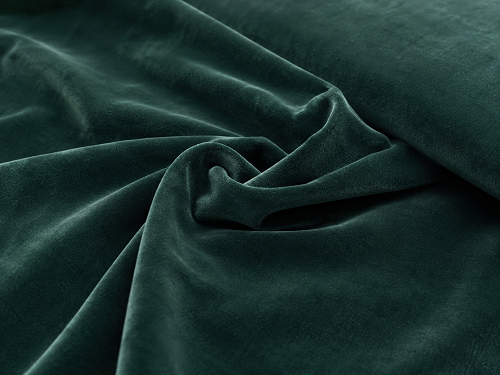
The pile structure of velvet also gives the fabric its characteristic appearance. When light reflects from different directions of the pile, the surface can appear lighter or darker, creating the rich visual effect commonly associated with velvet furniture.
Why Choose Velvet Fabric for Sofas?
Velvet sofa fabric offers several advantages that make it suitable for both residential and commercial furniture.
1. Luxurious Appearance
One of the main reasons to choose velvet is its elegant appearance. The soft pile surface reflects light differently depending on the viewing angle, creating depth and visual richness.
This makes velvet particularly suitable for luxury sofas, accent chairs, hotel furniture, and interior designs that require a premium appearance.
2. Soft and Comfortable Texture
Velvet has a smooth and pleasant surface that provides a comfortable feeling when used for seating furniture. The soft texture makes it suitable for sofas, lounge chairs, cushions, and other furniture that comes into frequent contact with the body.
3. Wide Range of Colors
Velvet sofa fabric is available in many colors, from neutral shades such as beige, gray, and cream to stronger colors such as emerald green, navy blue, burgundy, and mustard yellow.
The pile surface can also create subtle changes in color depending on lighting and direction, giving velvet furniture a distinctive visual effect.
4. Suitable for Different Furniture Styles
Although velvet is often associated with classic or luxury interiors, modern velvet fabrics can also be used for contemporary furniture.
Depending on the color, texture, and sofa design, velvet can work well with:
- Modern sofas
- Classic sofas
- Sectional sofas
- Accent chairs
- Lounge chairs
- Hotel furniture
- Restaurant seating
- Decorative benches
- Cushions and upholstered furniture
Common Types of Velvet Sofa Fabric
Different velvet fabrics offer different performance characteristics. Understanding the differences can help furniture manufacturers and buyers select the appropriate material.
Polyester Velvet
Polyester velvet is widely used for furniture upholstery because of its balance of appearance, durability, and cost.
It can offer good resistance to everyday wear and is available in a wide variety of colors and textures. Polyester velvet is therefore a practical choice for residential sofas as well as many commercial furniture applications.
Cotton Velvet
Cotton velvet is made primarily from natural cotton fibers. It provides a soft and comfortable hand feel and is often selected for premium furniture and interior applications.
However, compared with some synthetic alternatives, cotton velvet may require more careful maintenance and can have different performance characteristics depending on its construction and finishing.
Viscose Velvet
Viscose velvet can provide a particularly soft texture and attractive surface appearance. Its smooth pile can create a sophisticated visual effect.
Because viscose fibers may be more sensitive to moisture and abrasion than some synthetic fibers, the fabric's intended application and performance requirements should be considered carefully.
Velvet Blended Fabrics
Blended velvet fabrics combine different fibers to achieve a balance between comfort, appearance, durability, and cost.
For example, blends may be designed to improve abrasion resistance while maintaining the soft appearance associated with velvet.
Important Factors When Choosing Velvet Sofa Fabric
The appearance of velvet is important, but it should not be the only consideration when selecting upholstery fabric.
Abrasion Resistance
Sofas are subject to repeated friction during daily use. Therefore, abrasion resistance is an important consideration when selecting velvet sofa fabric.
For commercial furniture, hotels, restaurants, waiting areas, and other high-traffic environments, a fabric with appropriate abrasion performance should be selected.
Colorfastness
A sofa fabric should maintain its appearance during normal use and exposure to light. Colorfastness is particularly important for furniture placed near windows or in areas with strong lighting.
When purchasing velvet fabric in large quantities, manufacturers should request relevant performance information and testing data from the fabric supplier.
Fabric Weight and Thickness
Fabric weight can influence the appearance, handle, durability, and upholstery performance of velvet.
A heavier fabric may provide a more substantial feel, while lighter velvet may be easier to handle during certain upholstery processes. The ideal weight depends on the sofa structure, design, and production requirements.
Pile Direction
Velvet has a pile direction that can affect its color and appearance. When cutting and installing velvet sofa fabric, manufacturers need to pay attention to the direction of the pile.
Keeping the pile direction consistent across different sofa components helps maintain a uniform appearance.
Maintenance Requirements
Different velvet fabrics have different cleaning and maintenance requirements. Before selecting a fabric, buyers should understand the recommended cleaning method and whether the material is suitable for the intended environment.
For commercial furniture, easy maintenance can be particularly important because sofas may be used frequently.
Velvet Sofa Fabric for Residential Furniture
Velvet is widely used in residential furniture because it can create a warm and elegant atmosphere.
A velvet sofa can become a visual focal point in a living room. Neutral velvet colors can create a subtle and sophisticated appearance, while deeper colors can make the sofa more visually prominent.
For homes with frequent daily use, durability and cleaning requirements should be considered alongside softness and appearance.
Velvet Sofa Fabric for Commercial Furniture
Velvet upholstery is also suitable for many commercial environments, including hotels, restaurants, lounges, offices, and reception areas.
In these applications, the fabric may experience significantly more frequent use than residential furniture. Therefore, manufacturers should pay closer attention to abrasion resistance, colorfastness, cleaning requirements, and overall durability.
For commercial projects, fabric specifications should be matched to the expected usage conditions rather than selected based only on appearance.
How to Match Velvet Sofa Fabric with Sofa Design
The right fabric should complement the shape and design of the sofa.
For sofas with simple, modern lines, solid-color velvet can create a clean and contemporary appearance. For classic or decorative furniture, richer colors and deeper velvet textures can emphasize the traditional character of the design.
Color selection is also important. Light-colored velvet can make furniture look softer and brighter, while dark colors can create a more dramatic and sophisticated effect.
Furniture manufacturers may also consider combining velvet with other upholstery materials, such as leather, linen-look fabric, or decorative textiles, depending on the design concept.
Velvet Sofa Fabric Manufacturing and Quality Control
For furniture manufacturers and wholesale buyers, fabric quality should be evaluated before large-scale production.
Important quality-control factors may include:
- Fabric width
- Fabric weight
- Pile height
- Color consistency
- Abrasion resistance
- Tensile strength
- Colorfastness
- Surface appearance
- Fabric defects
- Roll length consistency
A reliable fabric supplier should be able to provide clear product specifications and samples for evaluation.
For customized furniture projects, buyers may also require specific colors, fabric compositions, widths, finishes, or performance characteristics.
How to Choose a Velvet Sofa Fabric Supplier
When selecting a velvet sofa fabric supplier, buyers should consider more than the product catalog.
A suitable supplier should have stable production capabilities, consistent quality control, sufficient color options, and the ability to provide technical information about the fabric.
For wholesale and OEM furniture manufacturers, other factors may include:
- Minimum order quantity
- Production lead time
- Custom color availability
- Sample service
- Quality inspection
- Packaging
- Export experience
- Technical support
- Long-term supply capacity
These factors can have a significant impact on production efficiency and overall purchasing costs.
Velvet sofa fabric combines a soft texture, distinctive appearance, and versatile design potential, making it a popular upholstery material for residential and commercial furniture.
When selecting velvet for sofa production, buyers should consider the complete performance of the fabric, including fiber composition, durability, abrasion resistance, colorfastness, weight, pile direction, maintenance requirements, and application conditions.
By selecting the right velvet sofa fabric and working with a reliable textile supplier, furniture manufacturers can create sofas that provide both attractive visual appeal and dependable performance.